A career built around the work
worth giving your whole self to.

Most organizations already have more value than they realize. I find where it lives, align the right people around it, and build the strategy, partnership, or story that gives everyone a reason to say yes.
I've always chased the work that pulls me in. The kind you can't put down, that earns your nights and weekends not because anyone asked, but because you can't stop thinking about it. Finding that work has shaped every chapter. It's how I became Vans Warped Tour's first intern after being told the tour didn't take interns. It led me to My Chemical Romance, and eventually to two missions I believed in enough to give more than eight years to each.
The settings changed, from touring and artist management to global nonprofits and strategic partnerships, but the instinct didn't. I see what's possible before the pieces are in place, and I connect things most people treat as separate until the path forward looks obvious. Then I build it, because I've never split strategy from execution. Done well, they're the same job. I find the leverage, align the right people, and make something that didn't exist before. Something people actually feel.
I'm at my best when the ambition is bigger than the resources. The strongest work doesn't ask anyone to set their priorities aside. It finds where different interests point the same way, so everyone has a reason to make it bigger.
I'm rarely building for just the immediate outcome. The work that lasts earns the trust that makes the next thing possible, and what I care about most isn't the single win but the relationship it leaves behind. A great partnership isn't a trade; it's the thing neither side could have made alone, and everyone walks away wanting to build it again.
Underneath all of it, the work has to be true to the people it's for. A child, a service member, a fan, a customer, a community. Never a device, always the point. That's what turns a strategy into something people remember, and an organization or brand into something people trust.
I knew the USO could offer partners more than military access. It gave them a credible way to tell an American story about service, gratitude, and the values that still connect us. I built a partner-funded model around that value.
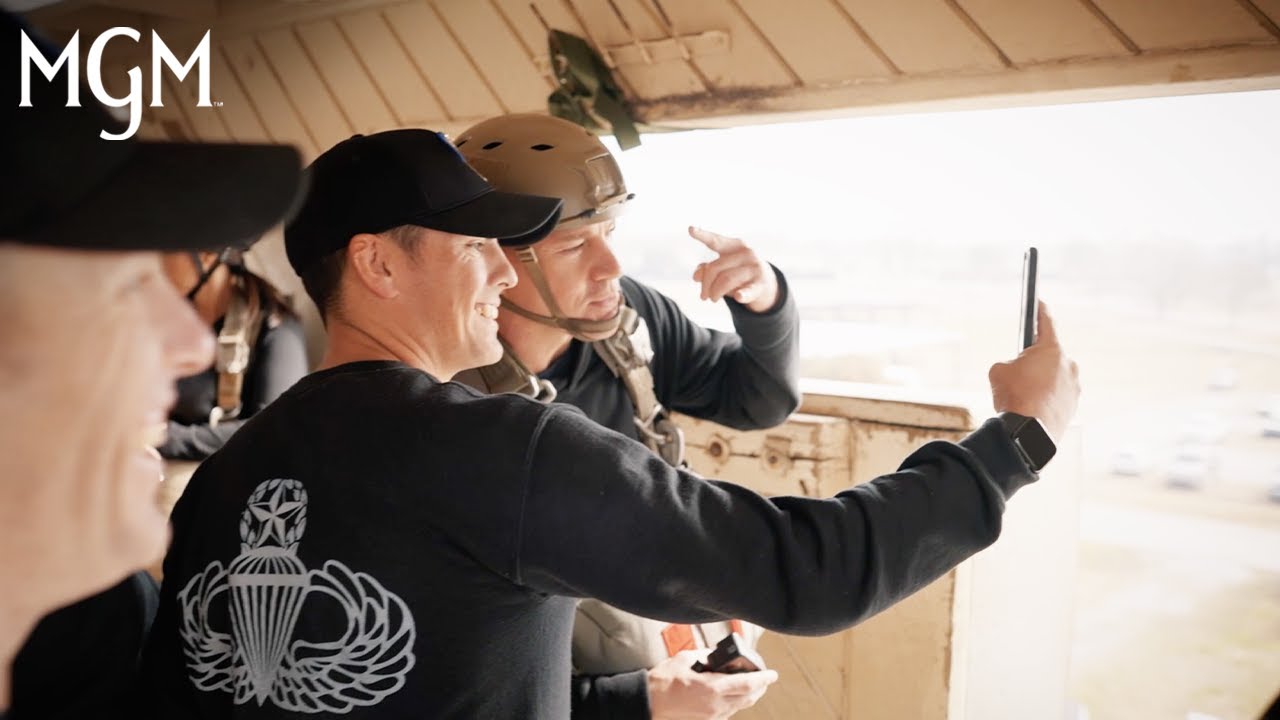
MGM brought the IP and talent, and funded the travel, production, and content capture. I designed two base visits, a virtual engagement reaching troops overseas, and a talent-signed donor campaign, each for a different audience. The campaign proved that authentic service-member experiences could serve the mission while giving the studio a credible story to carry far beyond the moment. Every studio partnership that followed was built on what this one proved.
WATCH THE VIDEO →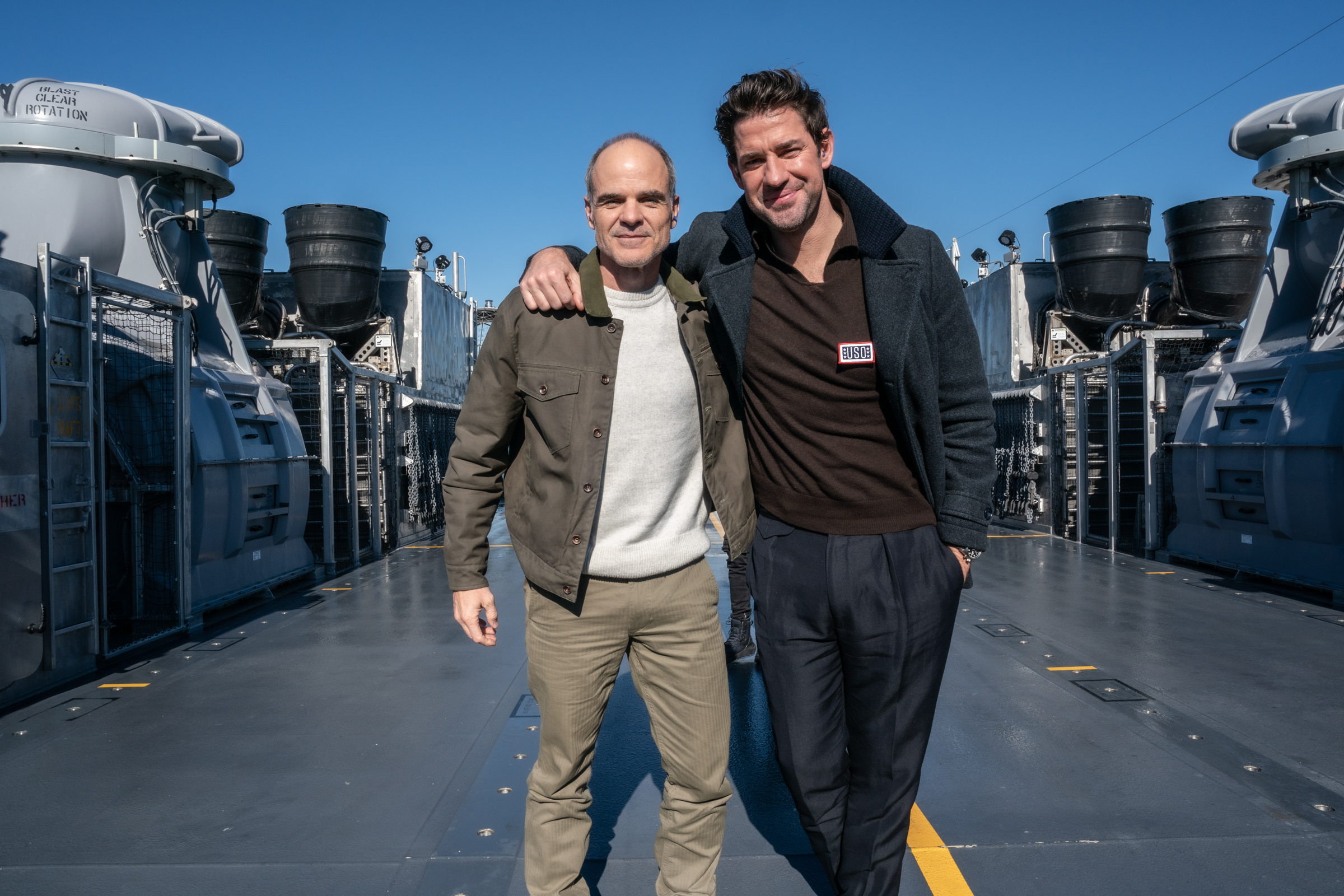
Co-branded across talent and Prime Video channels during peak holiday season, the reach was significant. The trust it transferred was more so. His audience did not just see the USO. They saw someone they trusted choosing it.
VIEW ON INSTAGRAM →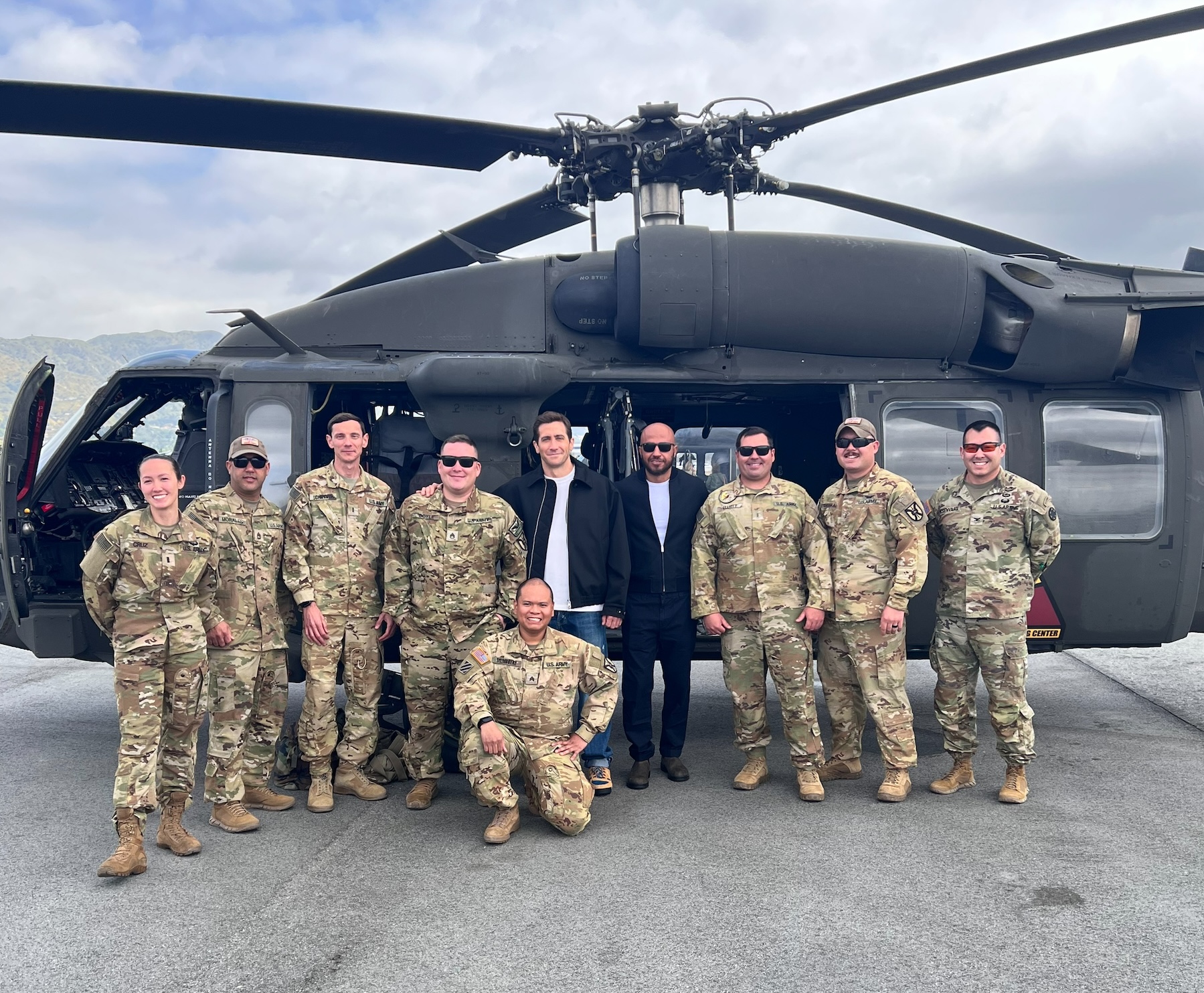
MGM returned for a second partnership, not because they had to, but because the first one delivered for everyone at the table. The return was the verdict. The model worked, and it was worth coming back to.
WATCH THE VIDEO →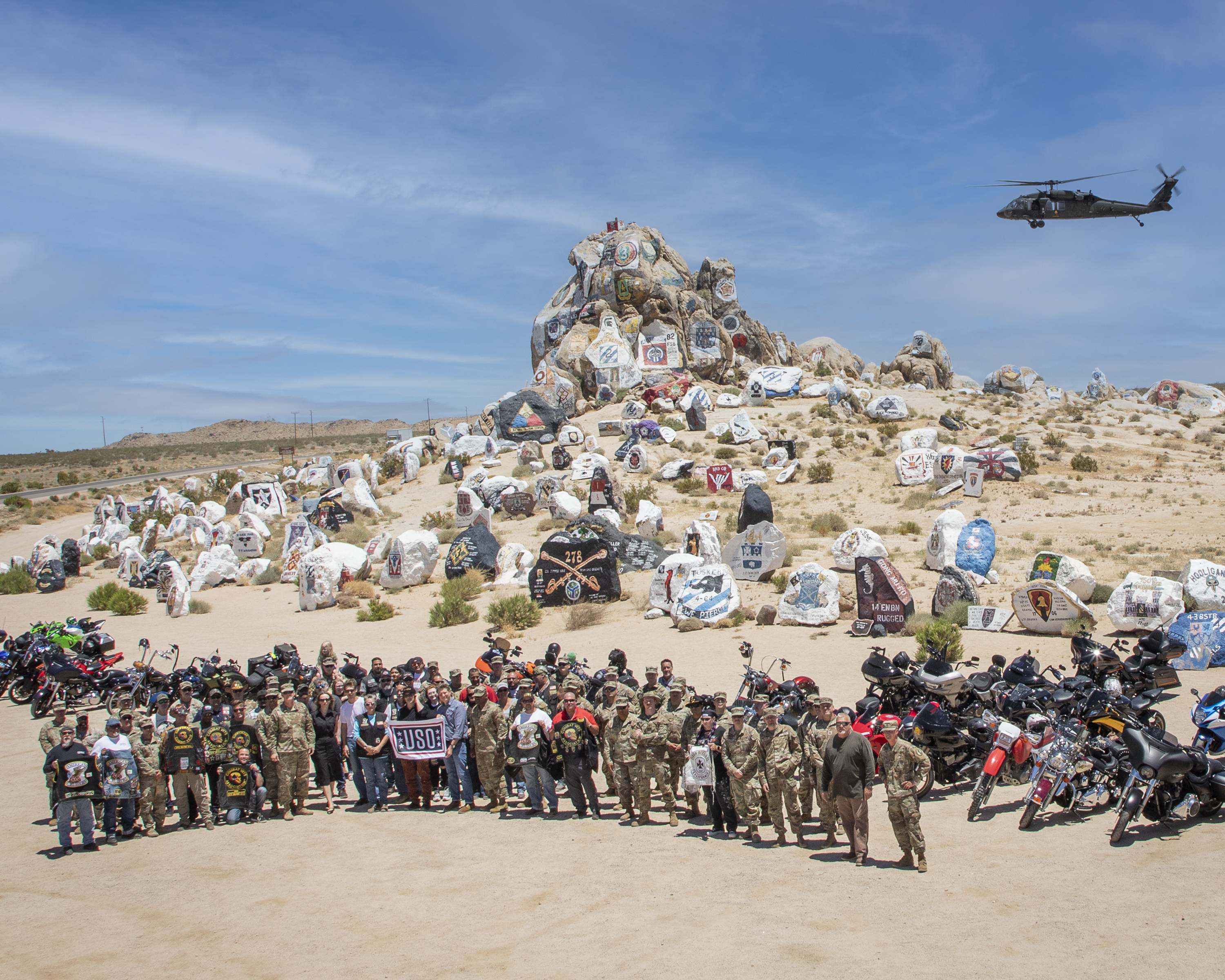
Three names, one activation. The military motorcycle community that lived the film’s subject became part of the experience, not just its audience. It felt authentic because it was built with the community, not merely for it.
WATCH THE VIDEO →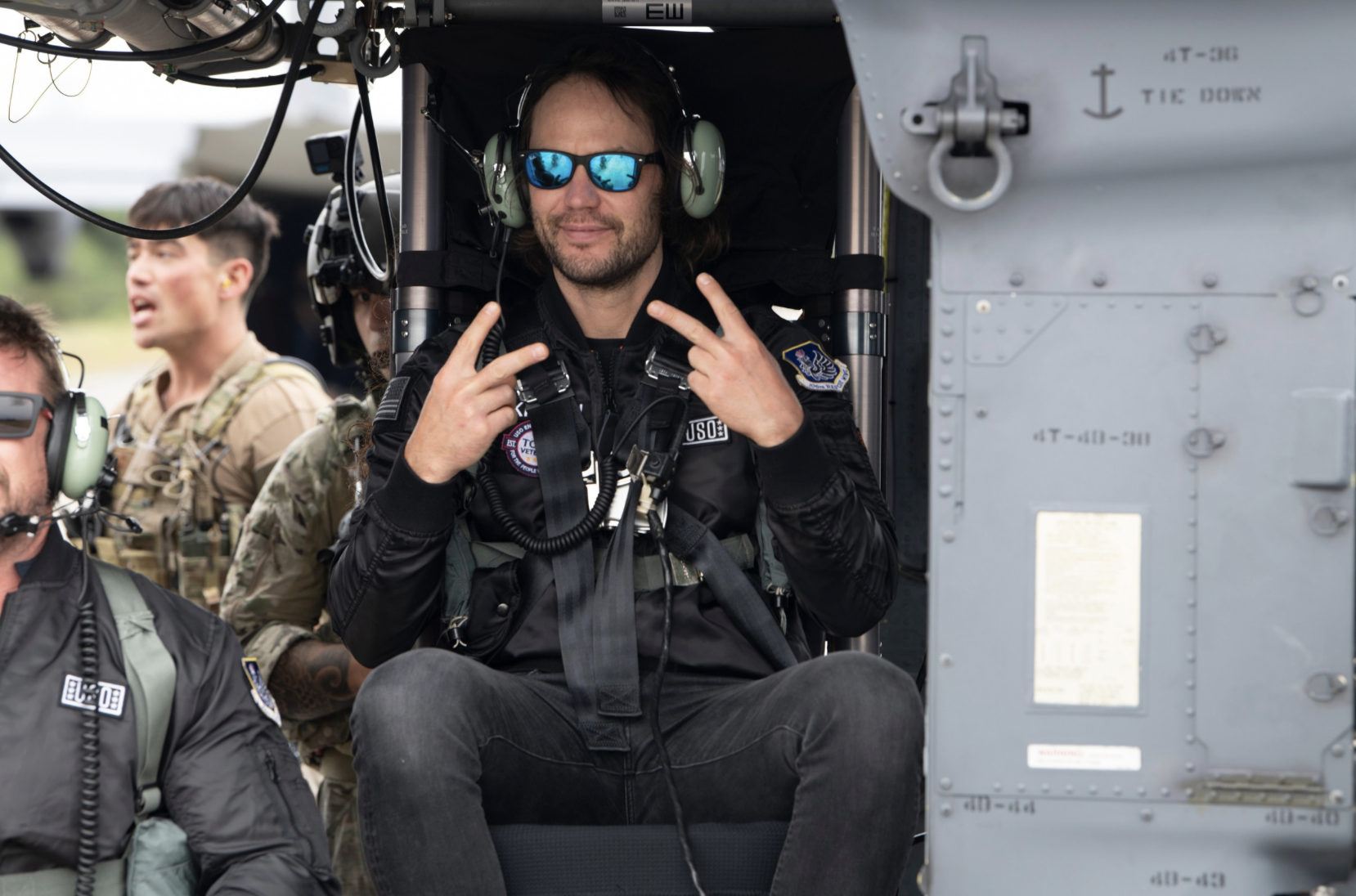
Three integrations across three Prime Video titles. What began as one engagement became a program, with each project building on the access and trust established before it.
VIEW ON INSTAGRAM →Snoop couldn’t give us a week overseas. He could give us thirty minutes. I built around that yes, bringing him directly to deployed service members for an honest conversation about staying connected to home. On our next call, his representative told me it was one of the best things he had done during a launch. The experience stayed with Snoop and his team, and built the trust that opened the door to whatever we imagined next.
WATCH THE VIDEO →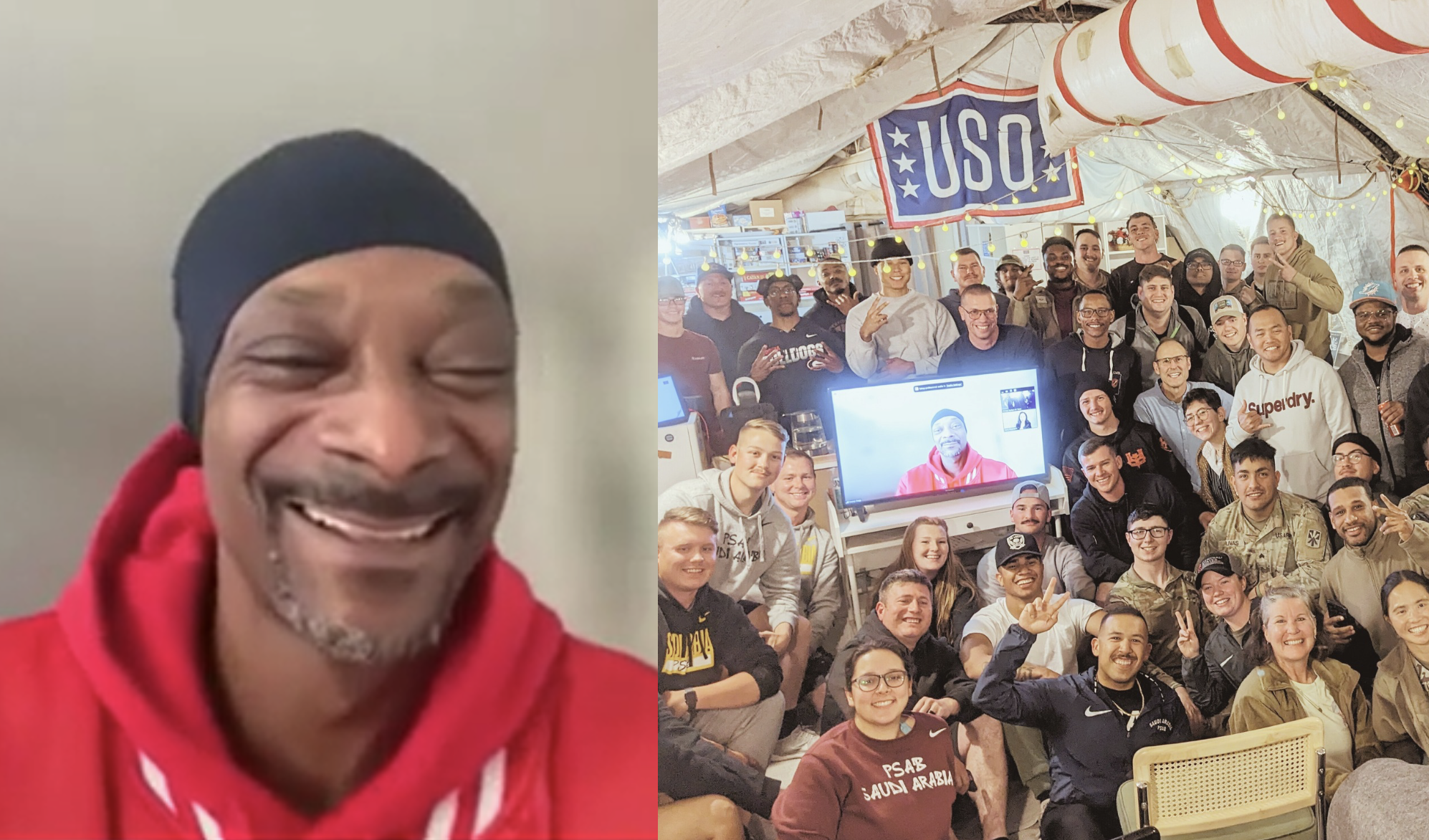
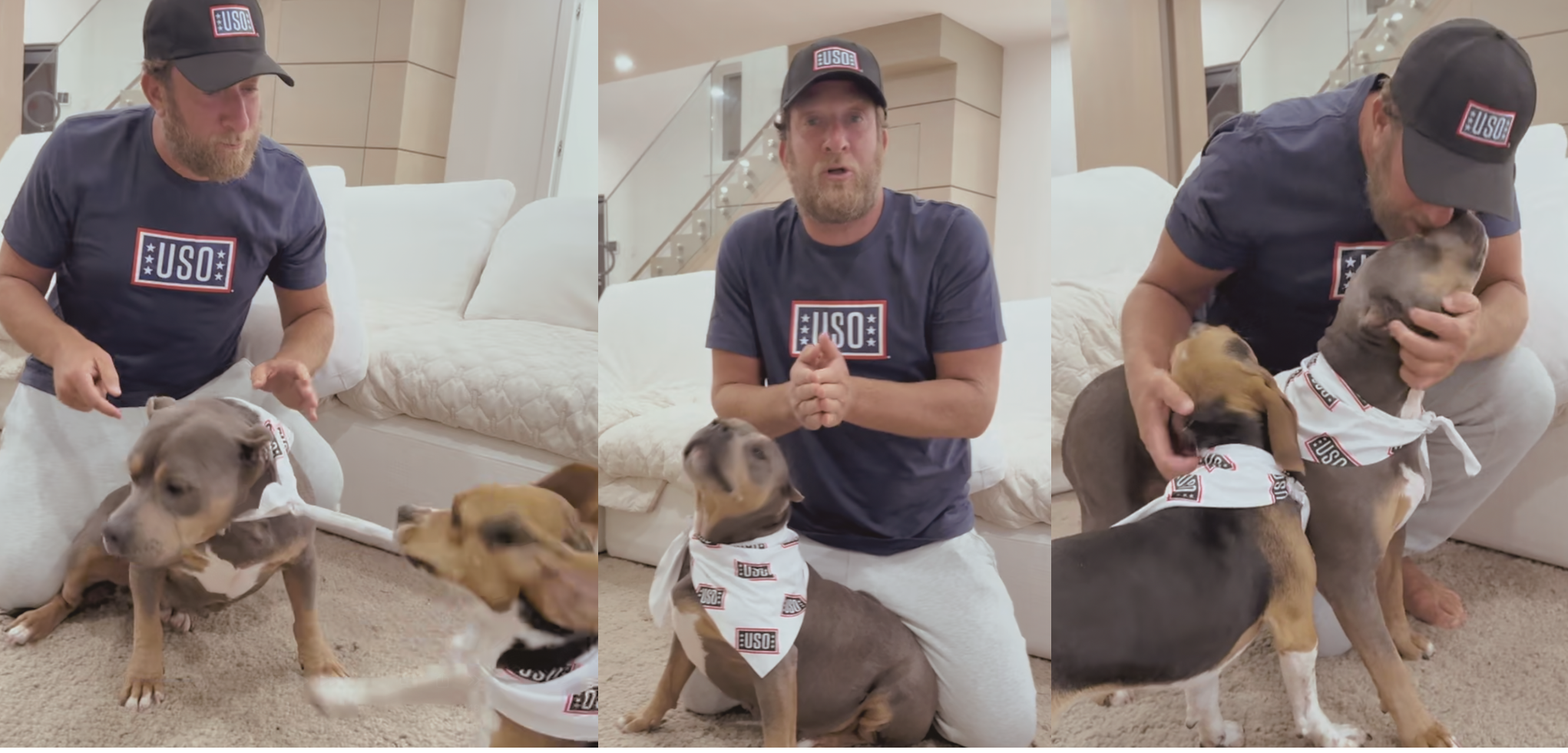
I wanted to reach Dave Portnoy’s audience, but the most credible invitation was Miss Peaches. Her following and natural connection to the USO’s canine campaign made the idea feel true. The video created an authentic first step toward that audience and a meaningful first experience for Dave, opening the door to more. It did not need to be a major campaign. It needed to be the right beginning.
VIEW ON INSTAGRAM →Two ideas I could not leave alone. One solved a partnership problem. The other reimagined the organization itself.
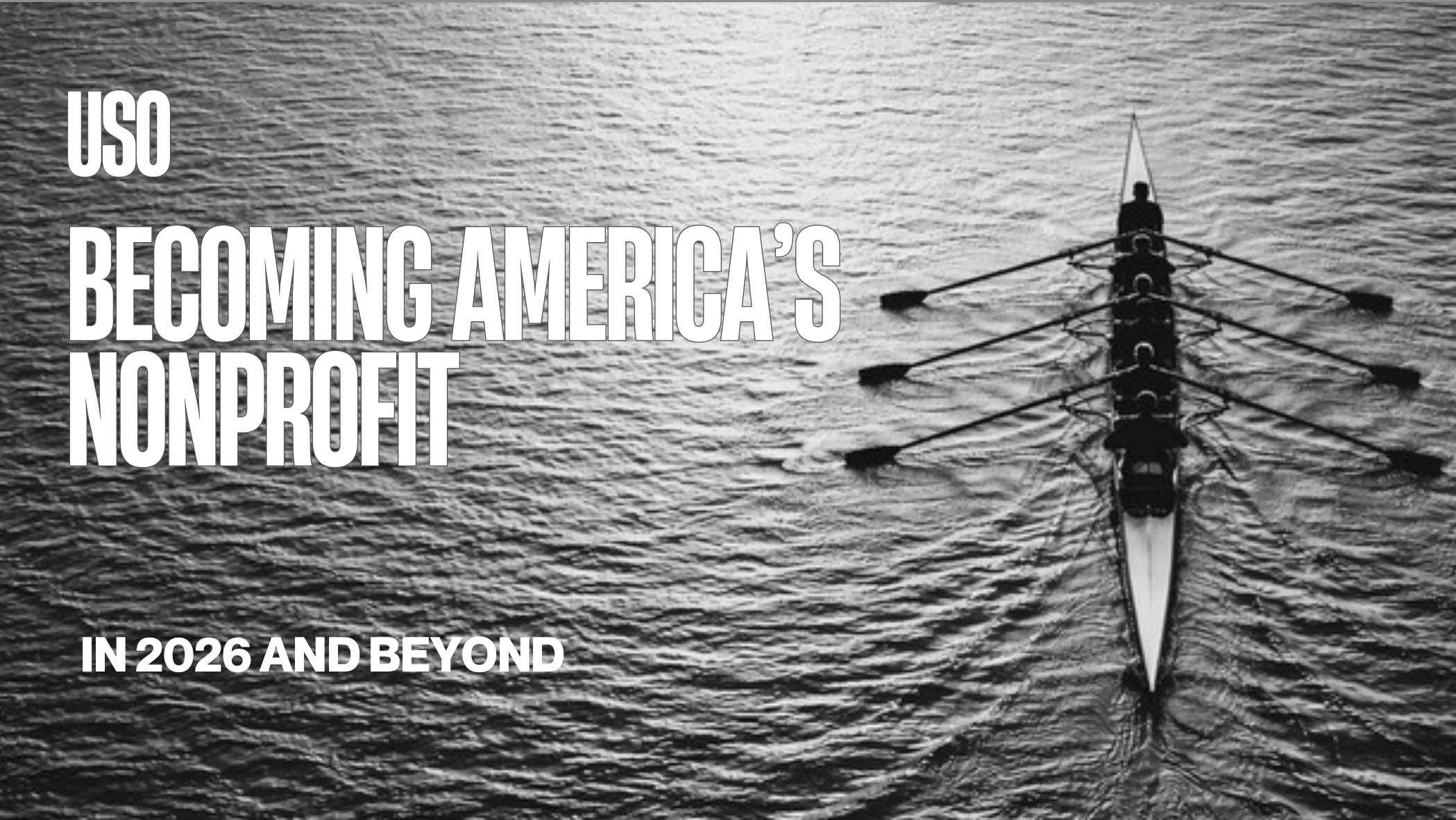
I saw a larger future for an organization I believed in, so I put it on paper. I developed a 14-page enterprise strategy for positioning the USO as America’s nonprofit, then distilled it into a one-page executive brief. The framework made visibility, storytelling, and cultural engagement part of mission delivery. It sequenced awareness before affinity and giving, and reimagined entertainment, sports, and transitions around scale, trust, and distinctive value. I sent both to the incoming CEO because loyalty to an organization includes offering your clearest thinking, even when no one has asked for it.
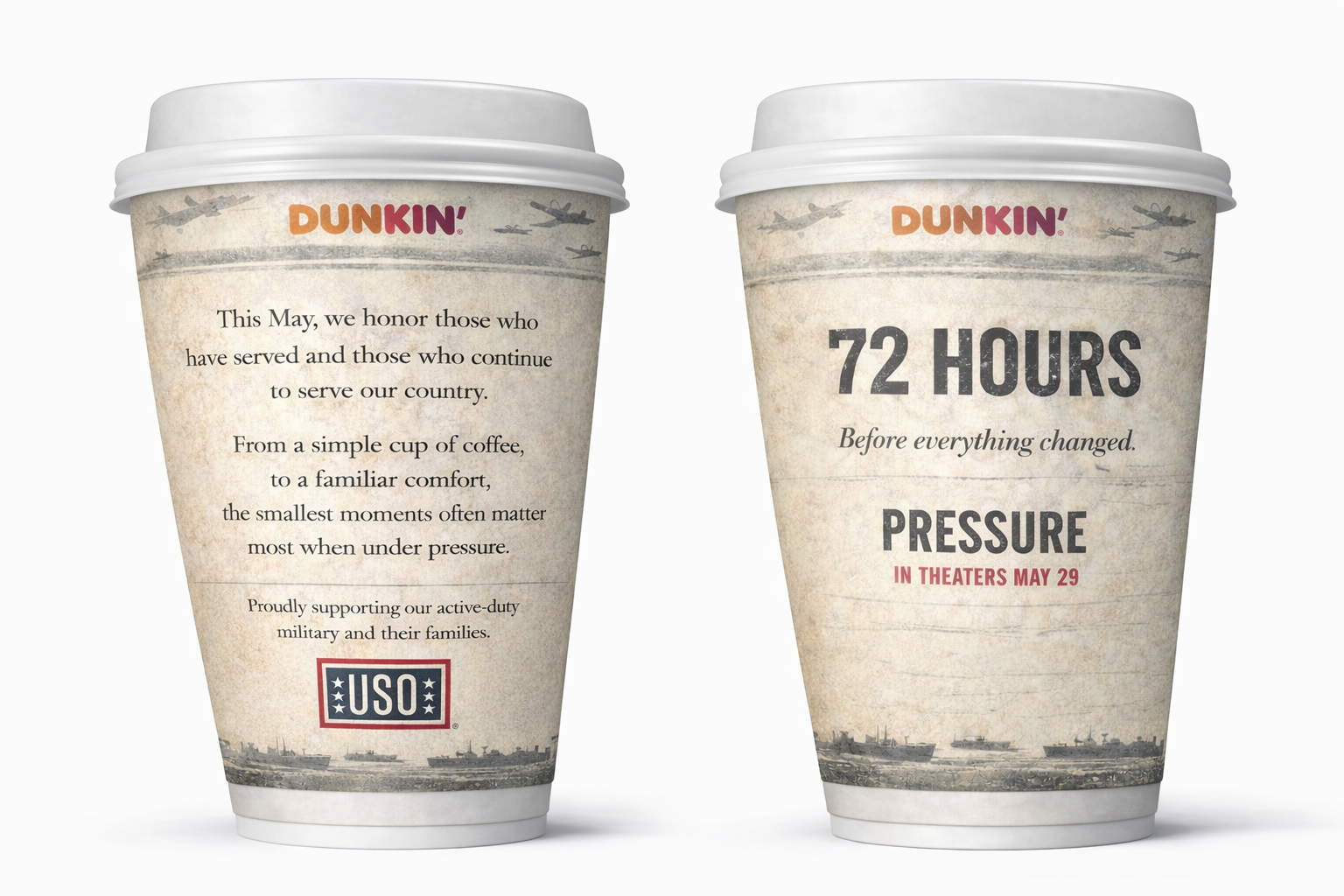
A three-way brand integration anchored to Memorial Day and the film’s D-Day narrative. The 72¢ donation mirrored the film’s 72-hour theme, spanning a limited-edition Dunkin’ cup, talent appearances, and service-member screenings. The exchange gave the studio a cultural story when traditional media was unavailable, Dunkin’ an authentic role in a patriotic moment, the USO awareness and a fundraising path, and Americans an easy way to support those who serve.
When world events made talent-led military promotion impossible, I moved the story to an overlooked collection of World War II letters. I brought in Legacybox to digitize them at no cost, then built a public archive around their human story of D-Day and a studio-funded mission immersion at Fort Campbell for 14 media and creators.
An authentic experience gives a story somewhere to begin. The ones that travel are the ones that land, and remind us what we share.
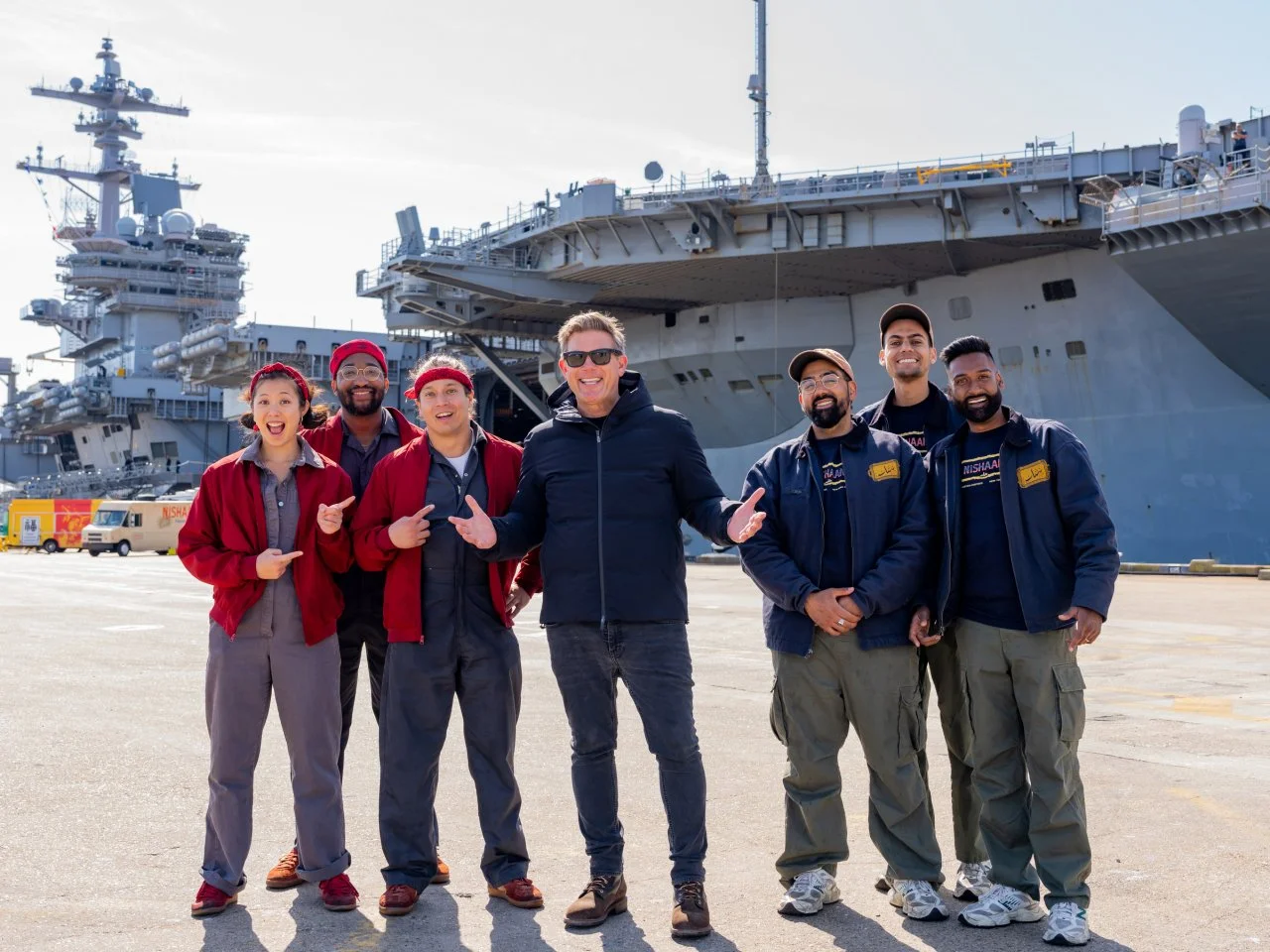
After one event with Tyler Florence, I saw both his genuine connection to the military, and the larger untapped opportunity — The Great Food Truck Race. When my team declined another engagement, I found a cost-neutral path through the marketing team, and joined him at Fleet Week. I raised the show early, then let the experience do the rest. By dinner, Tyler was asking what we could do next, and suggested the series himself. I secured the producer introduction, wrote the creative brief, and pitched the concept. They made it the season finale. The placement helped the USO recognize the full value of the relationship, and Tyler later became a Global Ambassador.
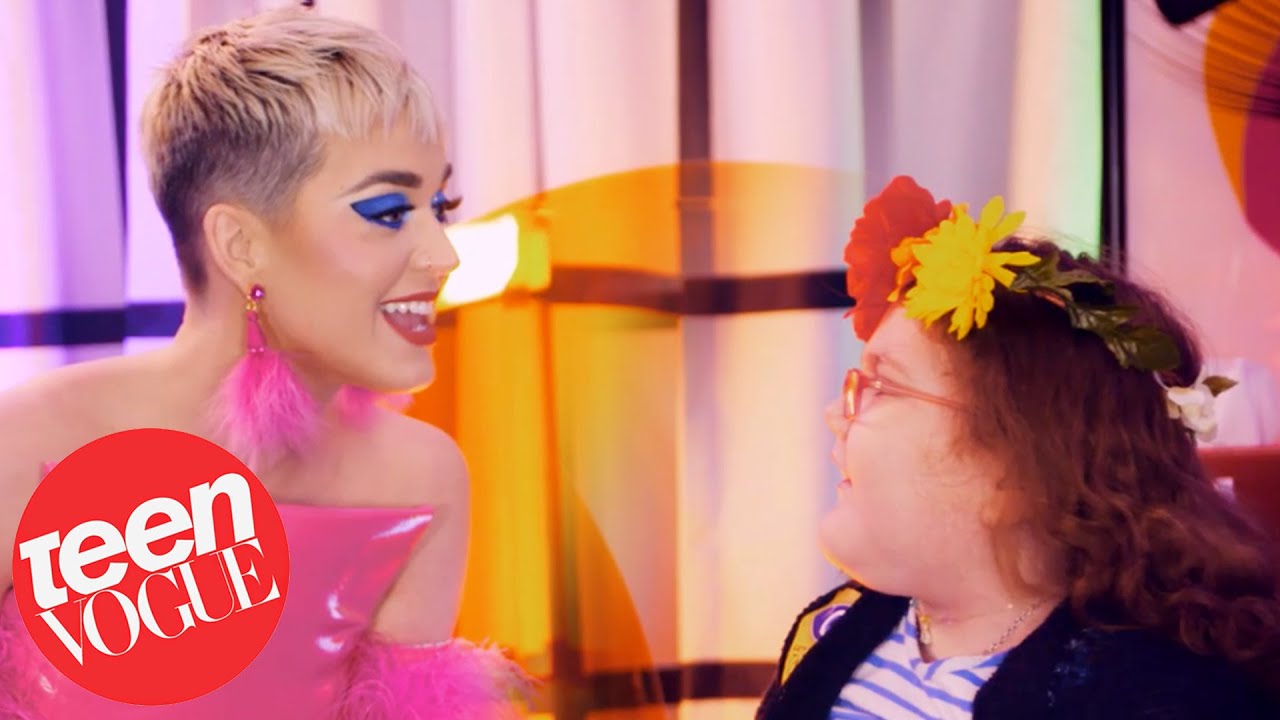
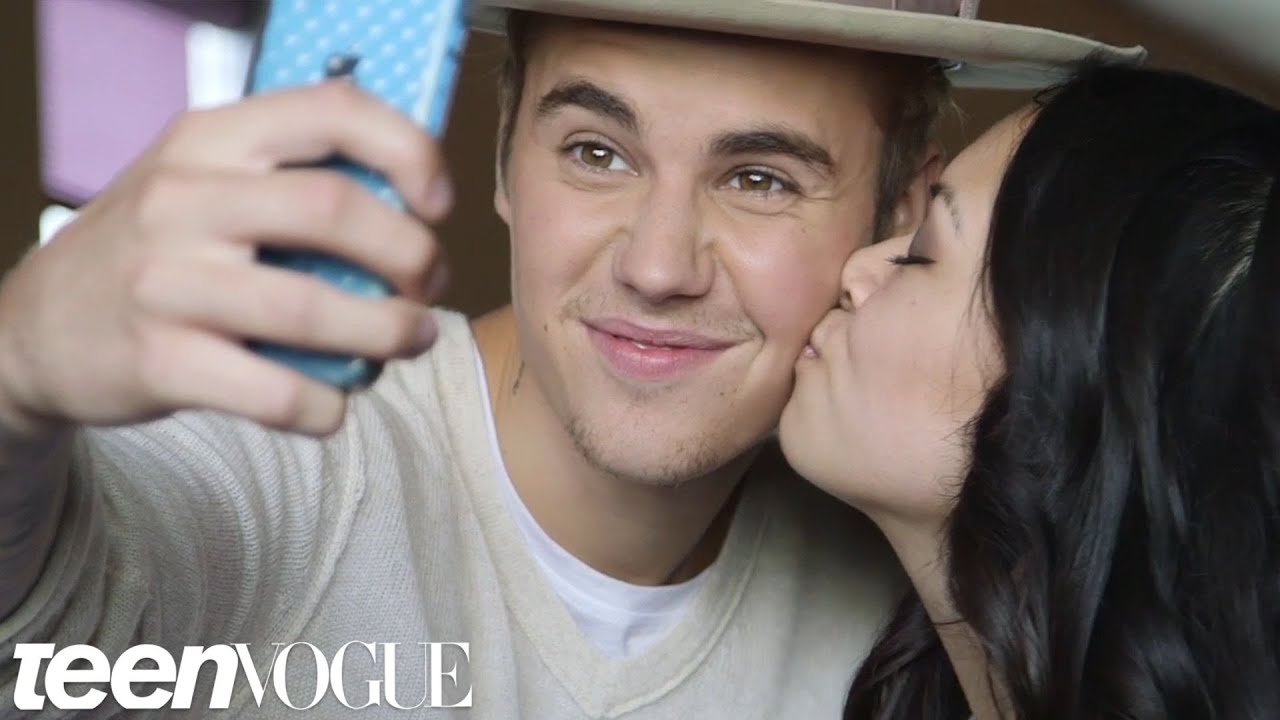
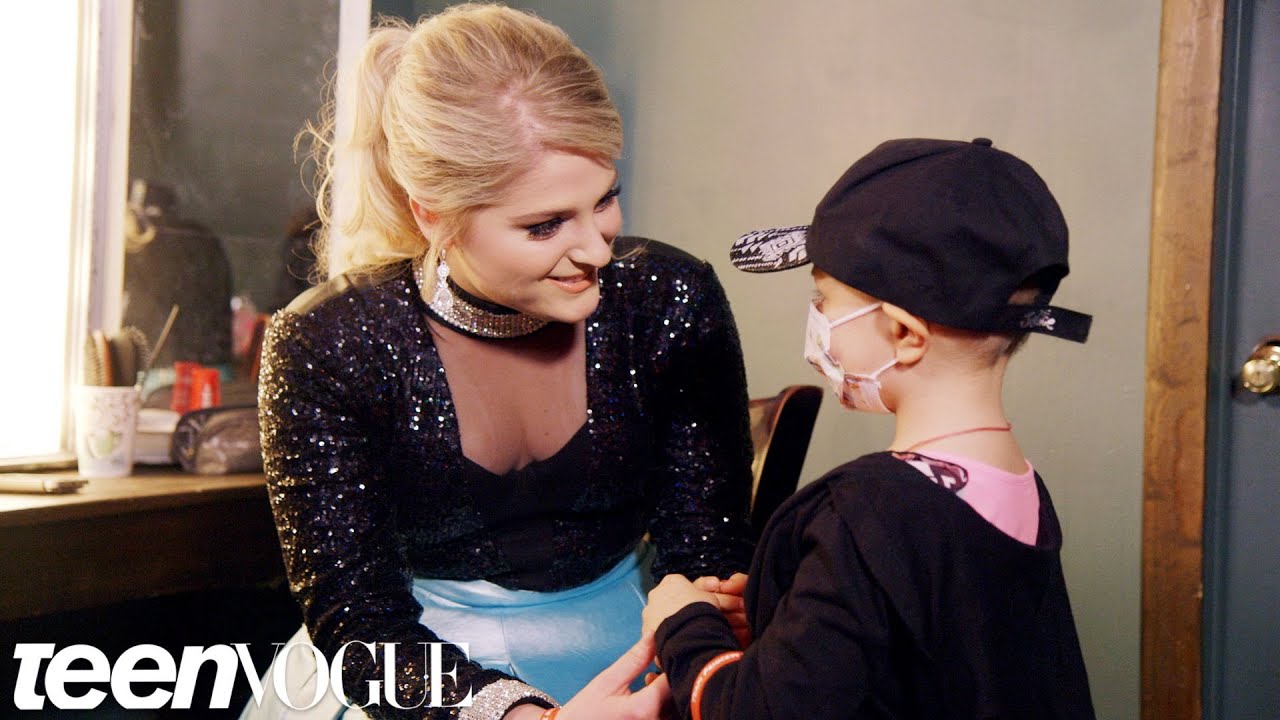
At Make-A-Wish, there was no room for error. A wish happens once. I designed each around the child while protecting everyone the moment touched — the family, the talent, the organization — so the joy landed and nothing was left to chance. When a wish also held a story worth telling, sharing it could extend the gift to millions.
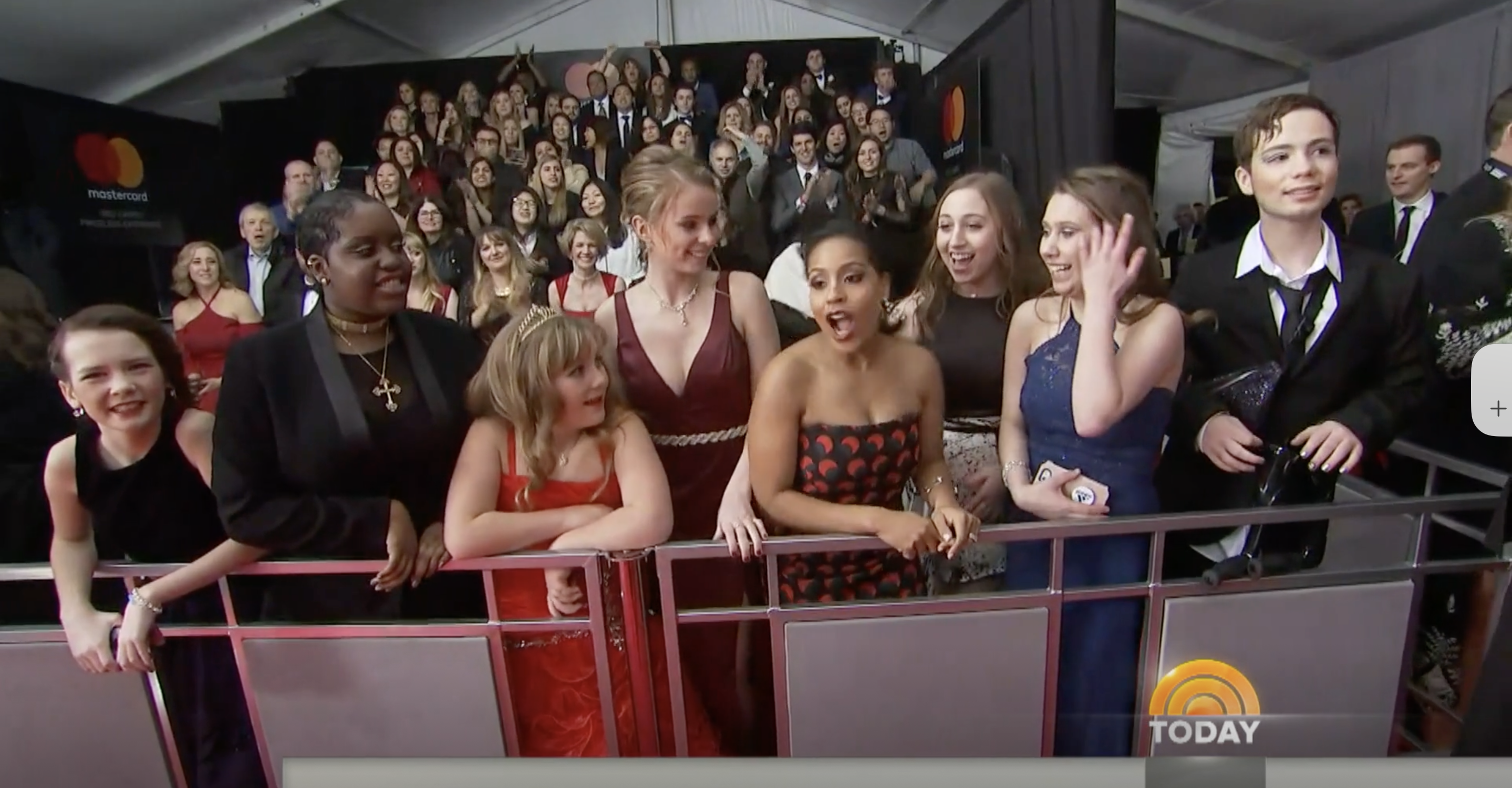
Seven wish kids came to music’s biggest night to see the stars. For Today, they were the stars. The coverage did more than document the wish. It became part of it, letting millions share in their joy without taking the spotlight from them.
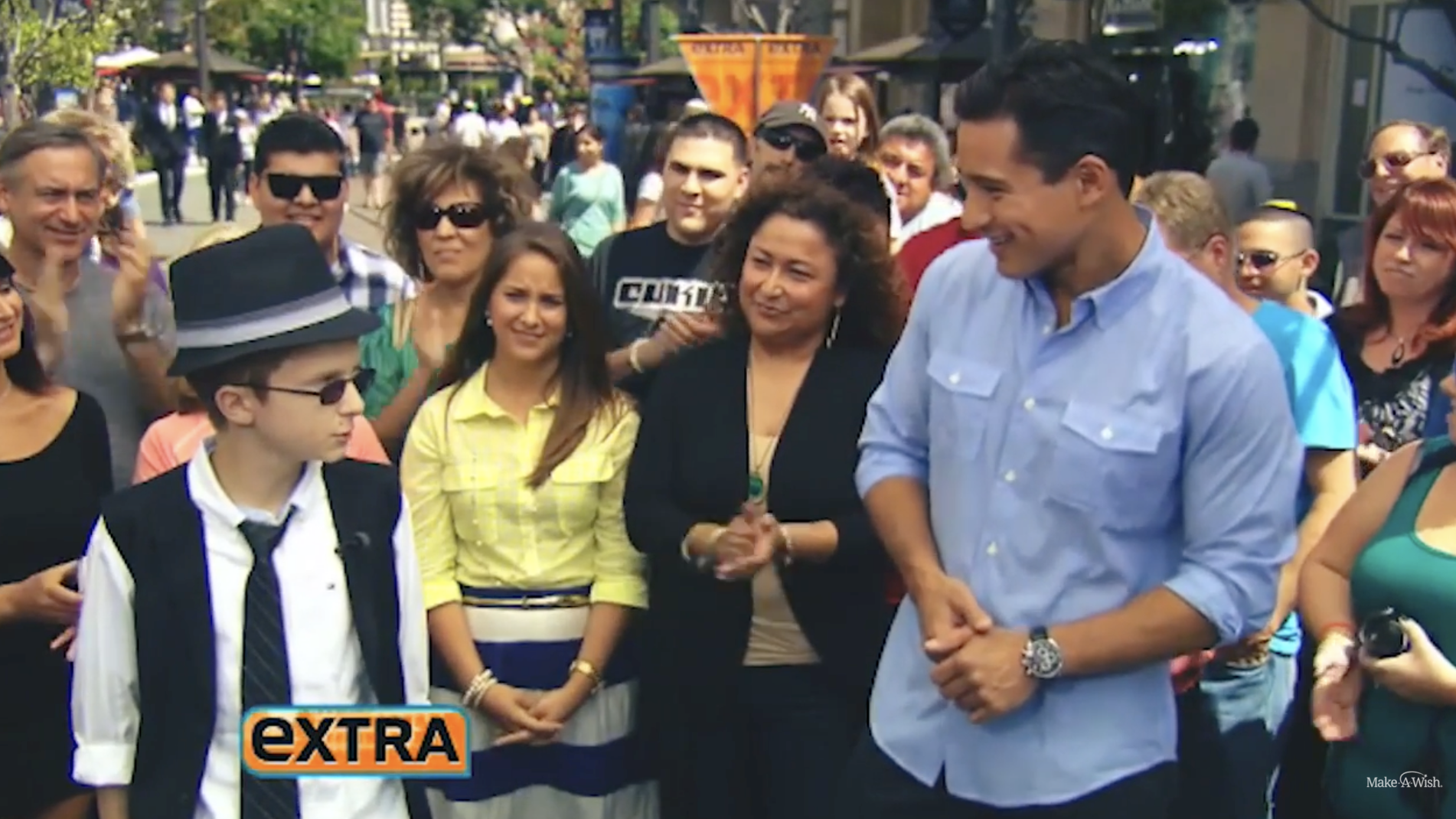
I designed a pop-star day around Cayden, from a cheering welcome and recording session at Red Bull Studios to a Macy’s wardrobe, Maroon 5, and a live interview with Mario Lopez. The wish did not simply place him near celebrity. Every partner helped make Cayden the star.